The 10 biomarkers every woman should know to protect her health
Discover the 10 key biomarkers to assess your hormonal, metabolic and cardiovascular health. Learn how they can help prevent disease and improve your longevity.
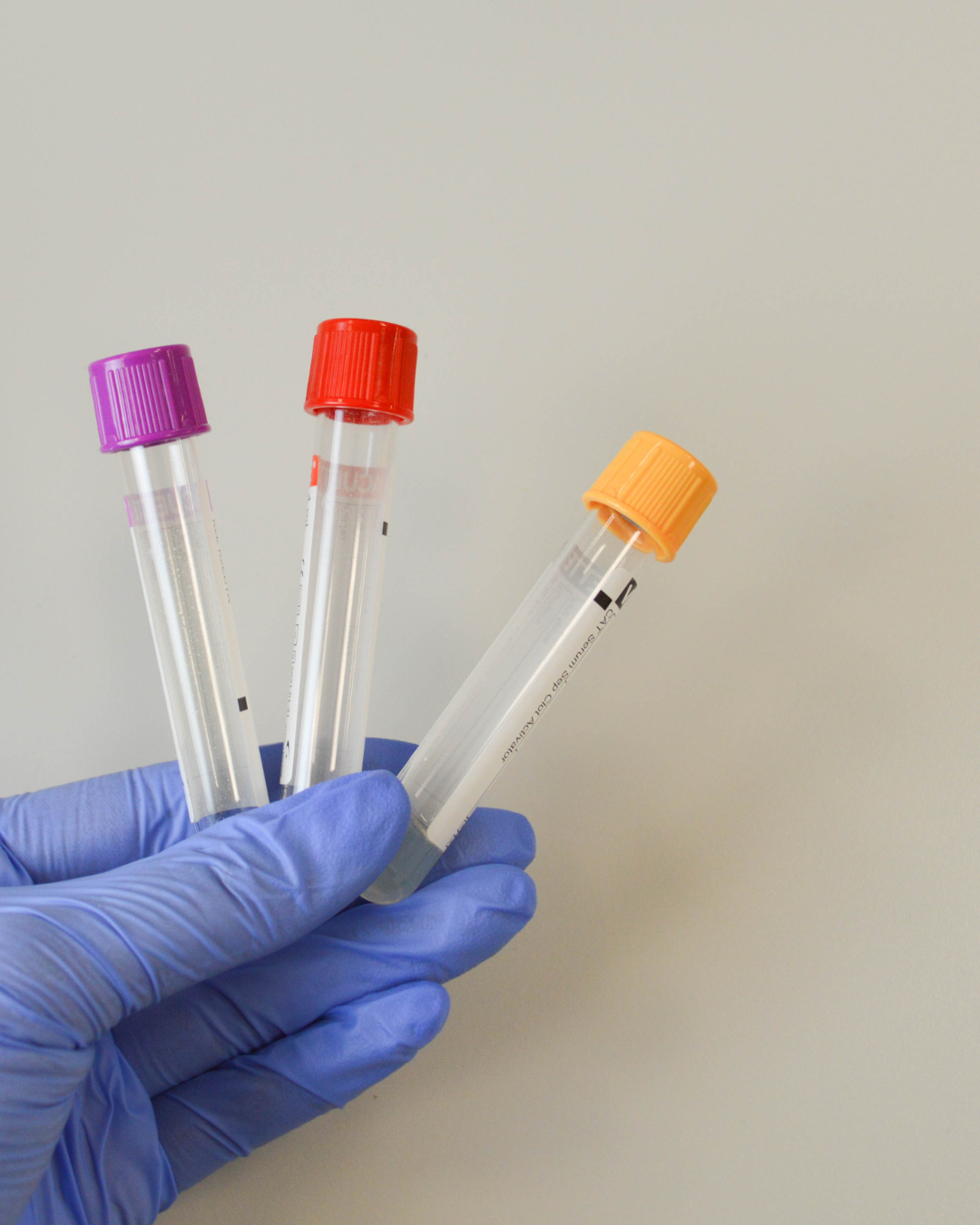
Did you know that many diseases begin to develop years before the first symptoms appear?
Preventive medicine is no longer just about having a standard blood test once a year. Today we know that specific biomarkers can detect imbalances early and reveal how the body is really functioning.
At SHOMMA we believe prevention begins with knowledge. Understanding your biomarkers is the first step towards making smarter decisions about your health and designing a personalised plan that supports your wellaging.
What is a biomarker?
A biomarker is a biological measurement that provides information about a person's state of health.
It can be a value obtained from a blood test, a functional test or a clinical measurement.
Biomarkers make it possible to assess processes such as inflammation, metabolism, cardiovascular health, hormonal function or cellular ageing, even before symptoms appear.
1. High-sensitivity C-reactive protein (hs-CRP)
Low-grade chronic inflammation is linked to cardiovascular disease, diabetes, cognitive decline and accelerated wellaging.
Hs-CRP is one of the most widely used biomarkers for detecting this silent inflammation.
Why does it matter? Because persistent inflammation can affect your health for years without producing obvious symptoms.
2. Glycated haemoglobin (HbA1c)
This marker reflects how your glucose has behaved over the last three months.
It is useful not only for diagnosing diabetes, but also for detecting metabolic disturbances much earlier.
Why does it matter? Because keeping glucose stable reduces cardiovascular risk and supports better wellaging.
3. Fasting insulin
Measuring sugar is not enough. Insulin helps detect one of the most common issues in women today: insulin resistance.
Why does it matter? Because it can appear many years before diabetes develops and is linked to weight gain, polycystic ovary syndrome and increased cardiovascular risk.
4. ApoB
A growing number of specialists consider ApoB a more accurate marker than LDL cholesterol for assessing cardiovascular risk.
Why does it matter? Because it helps identify cardiovascular risk even when cholesterol levels appear normal.
5. Vitamin D
Although best known for its role in bone health, it also supports the immune system, muscle function and overall wellbeing.
Why does it matter? Low levels may be associated with a higher risk of osteoporosis, muscle weakness and immune dysregulation.
6. Ferritin
Ferritin measures the body's iron reserves. It is especially relevant in women because of menstruation and hormonal changes.
Understand what is happening in your body
We carry out a full assessment of your hormonal, metabolic and cognitive health and design a personalised plan for you.
I want to know moreWhy does it matter? A deficiency can cause fatigue, difficulty concentrating and reduced physical performance.
7. TSH
Thyroid-stimulating hormone makes it possible to assess how the thyroid gland is working.
Why does it matter? Thyroid disorders are very common in women and can affect metabolism, weight, energy and mood.
8. Estradiol (E2)
Estradiol is one of the main female oestrogens. Assessing it helps to understand a woman's hormonal stage and how it may influence her health.
Why does it matter? It is involved in cardiovascular, bone, brain and metabolic health.
9. Cortisol
Cortisol is the main hormone involved in the stress response. A high level is not always a problem, but evaluating it can provide valuable information about the body's balance.
Why does it matter? Because chronic stress affects sleep, metabolism, inflammation and wellaging.
10. Biological age
Biological age is not an isolated test, but an estimate of the body's real state based on different biomarkers and functional tests.
Two women of the same chronological age can have very different biological ages.
Why does it matter? Because it reveals how the body is really ageing and helps evaluate the effectiveness of the interventions undertaken.
Beyond a standard blood test
At SHOMMA we do not interpret each biomarker in isolation. Our approach analyses how they relate to one another to obtain a global picture of each woman's health.
Inflammation, metabolism, hormones, body composition, muscle strength, sleep, stress and biological age are all part of a comprehensive assessment that makes truly personalised strategies possible.
Because an isolated value does not tell the whole story. Context does.
Prevention begins before symptoms appear
Many diseases can be prevented or delayed when the first biological changes are identified in time.
Understanding your biomarkers is an opportunity to act before the body begins to show health problems.
At SHOMMA we believe in a medicine that does not wait for disease to appear. We believe in measuring, understanding and acting to help you live more years in better health.
Discover your true state of health
Our Health Assessment combines advanced biomarkers, clinical evaluation, body composition, hormonal health and functional analysis to offer you a complete picture of your body.
Because the best decision for your health always begins with information.
Understand what is happening in your body
We carry out a full assessment of your hormonal, metabolic and cognitive health and design a personalised plan for you.
I want to know moreStart understanding your own healthspan
An initial Assessment with our medical team at Our Centre to establish your baseline.